Table of Content
Leg bags and valves should be changed every 7 days. The bag can be attached to your right or left leg, depending on which side is most comfortable for you. It's possible to live a relatively normal life with a long-term urinary catheter, although it may take some getting used to at first. Patients and/or caregivers should inform a healthcare professional as soon as they notice any of the above problems for intervention.
Using long-term urinary catheters increases risks of UTIs as well as other possible complications. In order to avoid these, caregivers need to perform daily catheter care strictly as instructed and with caution. An essential part of the routine is practicing good hygiene. Below are important nursing care tips when performing urinary catheter care at home. There are some people who will get an infection from a catheter. There are many reasons why this could happen.
Caregiver Stress & Burnout: The Importance of Self-Care & Getting Help
Remove the stopper on the leg bag or open the clamp on the large bag and empty the urine into the provided container to measure the urine. If you’re washing your hands with soap and water, wet your hands, apply soap, rub them together well for at least 20 seconds, then rinse. Dry your hands with a paper towel and use that same towel to turn off the faucet. Make sure you always shower with your night bag.
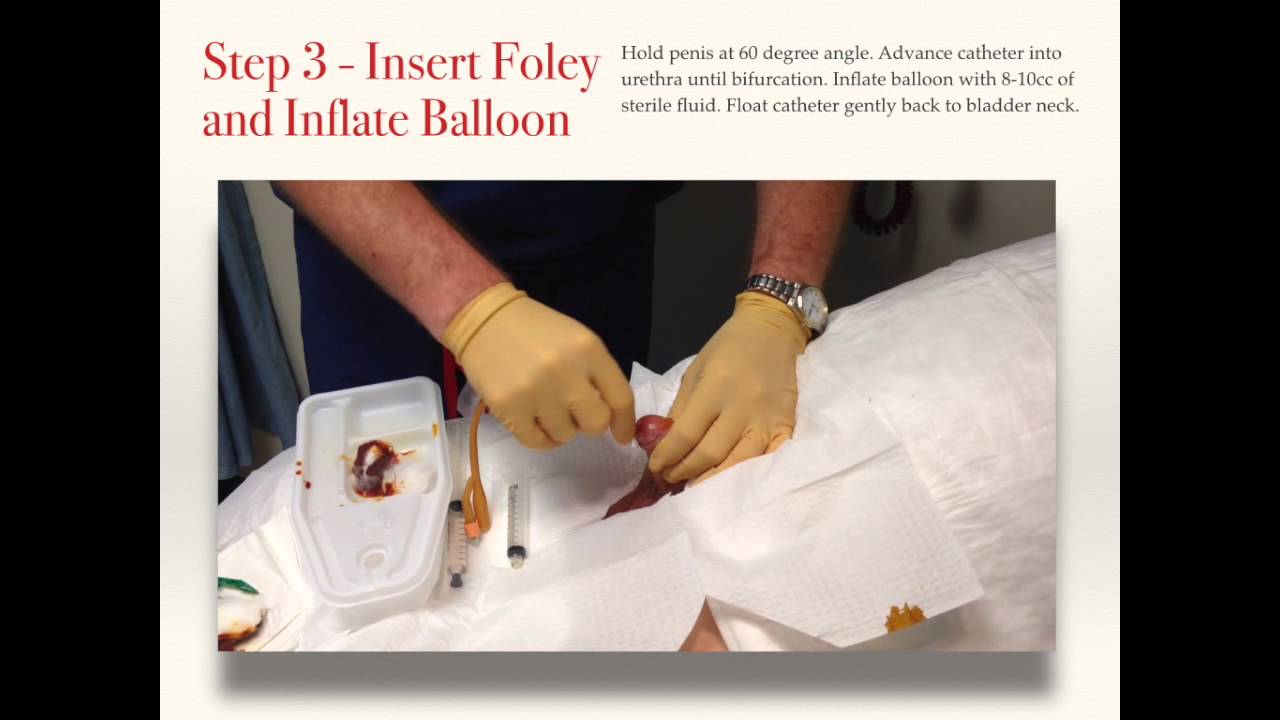
Medical attention should be sought immediately. Below is a general description of the catheterisation process. Diabetes called diabetic peripheral neuropathy. Some medications can also cause the side effects of urinary retention. Make sure that the bag is below the level of the bladder/pelvis.
Search
Be sure the tubing is also full of the vinegar-water mixture. You will change to the larger bag at bedtime so you won’t have to get up during the night to empty the bag. In the morning, you may change back to the leg bag. Your feedback will help us improve the educational information we provide.
However some patients with catheters experience problems with leakage of urine from around the catheter and this can be a long term problem. This may be caused by the bladder muscle overacting due to the presence of the catheter, which is a foreign body. This may be treated with medication to stop the bladder contracting. If the problem continues contact your GP for advice.
Caregiver’s Guide: Caring for Patients with Urinary Catheter
The catheter is folded down the length of the penis and a condom should be placed over the catheter tube and penis. After intercourse wash the genital areas. If you are unable to get to a toilet, drain the urine into a suitable container. Advice will be given to you by your nurse.
From time to time, your elderly loved one is going to need their catheter changed out for a new one. Someone who is inexperienced isn’t going to be able to do this. They have the experience needed to make sure this is done properly. Urinary catheterisation process differs for different types of catheters.
Try walking or moving around as this may dislodge a blockage. If nothing drains and you are in pain, contact your nurse or GP for advice. If your catheter falls out – immediately contact your nurse or GP for advice. If this is out of your surgery’s working hours contact NHS Direct for advice. Medication can sometimes help relieve the problem however it is not suitable for all patients. This will need to be discussed with your GP.

Using down ward strokes were the catheter tubing enters your body. This will prevent infection and the build up of encrustations around the catheter site. This should be done at least daily or twice daily.
If you’re not circumcised, gently pull your foreskin up and wash all exposed skin surfaces. Return your foreskin over the tip of your penis. If your foreskin is not returned, circulation can be affected, which can lead to tissue damage.
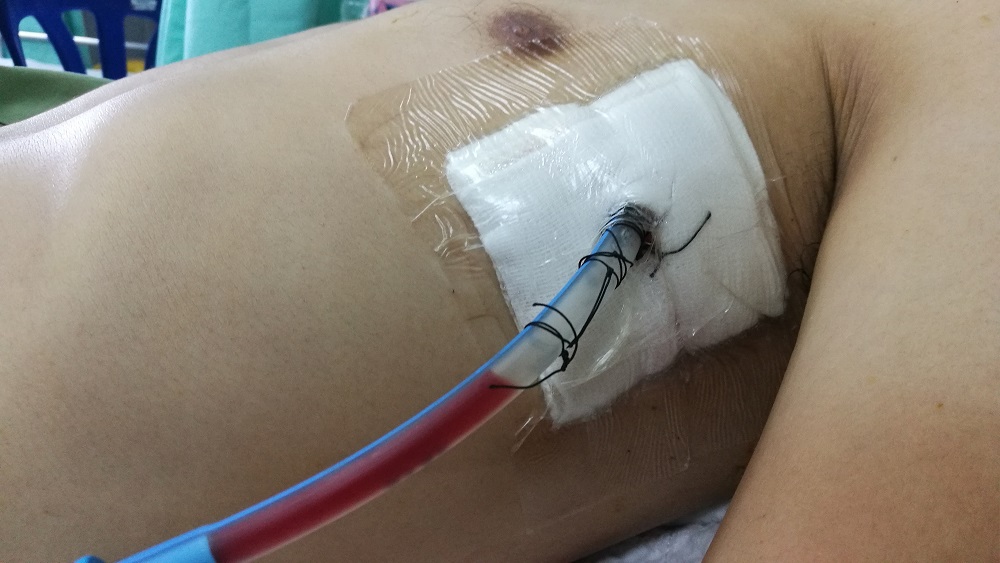
Empty the leg bag into the toilet every 2 to 4 hours, as needed. You can do this through the spout at the bottom. Don’t let the bag become completely full. IKare’s work does not end with dispatching care providers.
Below is a quick summary of situations when immediate medical help is recommended. Keep these handy if you are caring for a loved one with a urinary catheter, so problems can be tended to and addressed quickly. Attach the other end of the catheter tube to a drainage bag. In some instances, urinary catheters are used when conducting diagnostic tests. Make sure that the catheter is attached/secured to your leg. This will prevent pulling on the catheter.

Catheters are used after surgery to help drain urine from the bladder. After your transplant, you may go home with a Foley catheter. It is important to keep the catheter clean as you recover.
Was well taken care by the professional IKARE team. They are meticulous and have good on the job knowledge in handling him. My grandma loves the home care service provided by IKARE. Thank you for always coming on time and we are happy that grandma being served by the same person Thank you IKARE. With flexible and customizable home nursing care, iKare gives everyone the opportunity to continue living independently at home.
There is no reason for alarm unless the catheter is always leaking or there is little or no urine going into the drainage bag. You will be going home with a urinary catheter in place. A nurse will talk with you about caring for the catheter before you go home. If you have any questions or problems after you go home, you should call your primary care provider.