Table Of Content
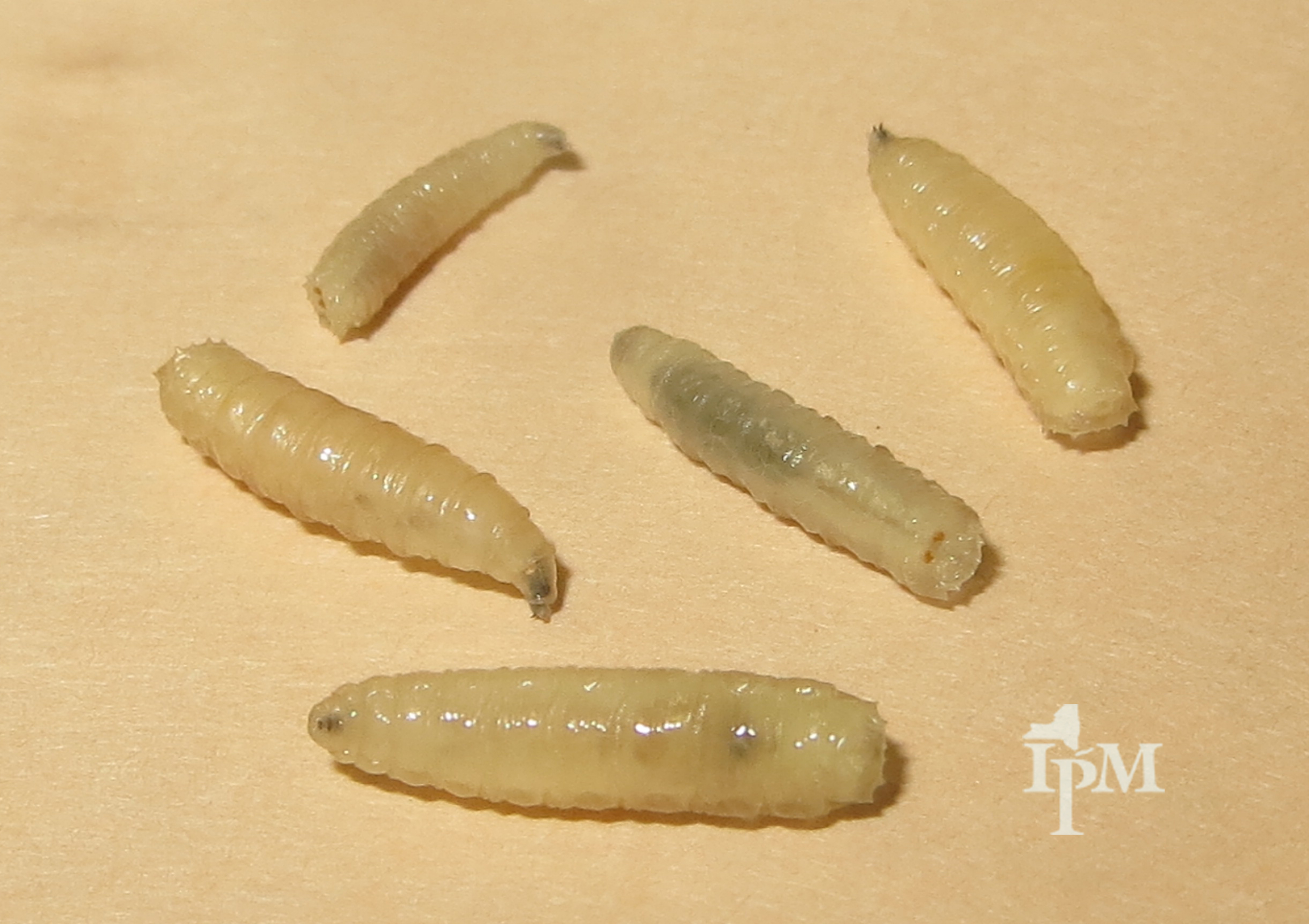
However, another study found that structures containing swine, horse, sheep, cattle, and poultry varied in fly abundance, with swine facilities containing the most and poultry the least. Fruit and vegetable cull piles, partially incinerated garbage, and incompletely composted manure also are highly favored sites for breeding. One remarkable aspect of housefly genetics is that they have a rapid rate of mutation. This means that their DNA changes at a fast pace compared to other species.
Mating Rituals: How Do Houseflies Attract Mates?
The species most often released for biological suppression in North America are Muscidifurax raptor, Muscidifurax raptorellus, Saphalangia endius, and Saphalangia nigroaenea. Early instar larvae are 3 to 9 mm (1/8–1/3 in) long, typical creamy whitish in color, cylindrical but tapering toward the head. The posterior spiracles are slightly raised and the spiracular openings are sinuous slits which are completely surrounded by an oval black border.
Management
The intricate compound eyes, made up of thousands of individual lenses, offer a wide field of vision that aids in avoiding predators and finding food sources. The duration of the egg stage is heavily influenced by environmental conditions. In optimal circumstances—namely warm temperatures around 80°F (27°C)—the eggs hatch into larvae within a mere 8 to 20 hours post-deposition.
Economic Importance for Humans: Positive
When entering the pupal stage, maggots develop dark, hard outer shells, legs and wings, ultimately emerging as full-grown adult flies. Consisting of four distinct stages of metamorphosis, the house fly life cycle begins with the laying of fertilized eggs. After a brief gestation period of about 24 hours, newly mated females lay eggs in five or six separate batches over the duration of three or four days.
House flies will quickly develop resistance to insecticides used continuously. To manage insecticide resistance, use insecticides only when needed for immediate control of adult flies and vary the chemical class (IRAC code) of insecticide used on a seasonal or annual basis. For your safety and the animals' safety, please observe the label instructions for proper application methods. Biological control The use of natural enemies, such as predators or pathogens, to reduce pest numbers is called biological control.
BugBitten Re-visiting an old question: can black soldier fly outcompete houseflies? - BMC Blogs Network
BugBitten Re-visiting an old question: can black soldier fly outcompete houseflies?.
Posted: Fri, 24 Jan 2020 08:00:00 GMT [source]
Life Cycle of a Housefly: Birth, Buzz, and Beyond
Let’s delve into these aspects to understand their impact better. In addition to these auditory signals, tactile cues also play an essential role in housefly courtship. The male gently strokes the female with his legs while simultaneously continuing his wing vibrations – adding another layer of complexity to this fascinating ritual.

To navigate this limitation, houseflies exhibit an interesting behavior – they regurgitate digestive enzymes onto solid food substances. These enzymes break down the food into simpler liquid forms which can then be readily absorbed by the fly’s sponge-like mouthparts. Temperature, humidity, and other environmental factors significantly influence the life cycle of a housefly.
It is important to manage potential insecticide resistance by rotating formulations with different modes of action. When the flies pupate at greater depths the conditions favor Sphalangia cameroni. In North Florida, releases conducted with Sphalangia endius showed that they could successfully parasitize pupae, both above and below the soil surface.
This genetic transmission is responsible for the housefly’s basic characteristics such as its size, color, lifespan, and resistance to certain types of insecticides. Thus while houseflies do play an integral role in nutrient cycling and serving as a food source within an ecosystem; their potential as vectors for disease transmission cannot be overlooked. It’s this duality that makes understanding the life cycle of a housefly so significant – not just from an ecological perspective but also from a public health standpoint. These predators’ impacts extend beyond simply reducing housefly populations; they also help control the spread of diseases carried by flies. By consuming flies that have been in contact with harmful bacteria or parasites, these predators indirectly protect other creatures – including humans – from potential infections.
However, using insecticides on manure is discouraged because it interferes with the biological control of flies. The more commonly used control measures for house flies are sanitation, use of traps, and insecticides, but in some instances integrated fly control has been implemented. The use of biological control in fly management is still at a relatively early stage. The house fly, Musca domestica Linnaeus, is a well-known cosmopolitan pest of both farm and home. This species is always found in association with humans or the activities of humans.
Once a major nuisance and hazard to public health in cities, houseflies are still a problem wherever decomposing organic waste and garbage are allowed to accumulate. The housefly (Musca domestica) is a fly of the suborder Cyclorrhapha. It possibly originated in the Middle East, and spread around the world as a commensal of humans. Adults are gray to black, with four dark, longitudinal lines on the thorax, slightly hairy bodies, and a single pair of membranous wings. They have red eyes, set farther apart in the slightly larger female.
The female can be distinguished from the male by the relatively wide space between the eyes (in males, the eyes almost touch). The head of the adult fly has reddish-eyes and sponging mouthparts. The thorax bears four narrow black stripes and there is a sharp upward bend in the fourth longitudinal wing vein. The abdomen is gray or yellowish with dark midline and irregular dark markings on the sides. Housefly, (Musca domestica), a common insect of the family Muscidae (order Diptera). About 90 percent of all flies occurring in human habitations are houseflies.


No comments:
Post a Comment